
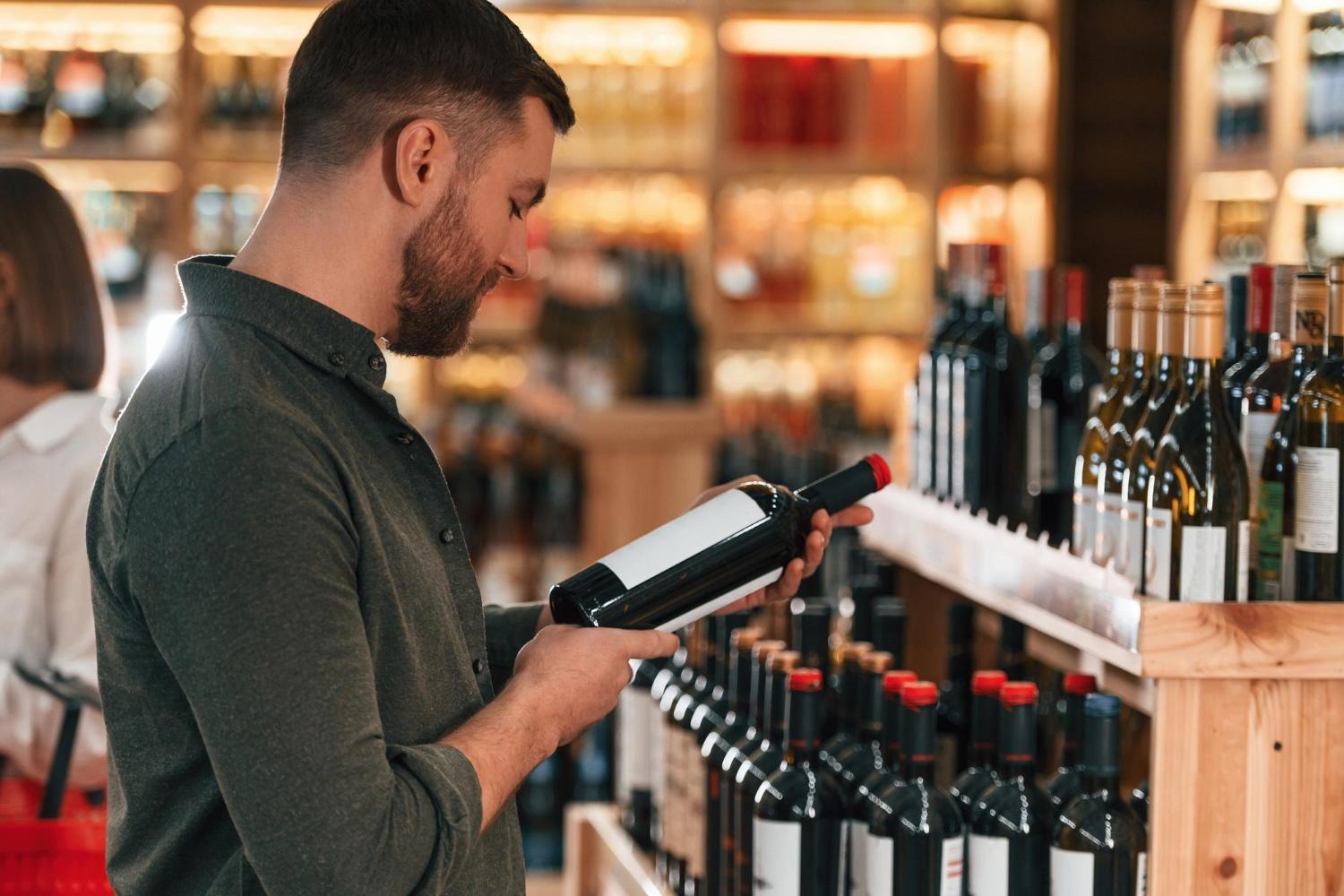
Image by standret on Magnific
Somewhere along the way, a lot of us absorbed the idea that enjoying wine means spending real money on it. It’s a convenient belief for anyone selling expensive bottles and a discouraging one for anyone trying to keep a budget. It’s also mostly untrue. Drinking well on modest money isn’t a compromise you settle for. With a little knowledge, it’s genuinely how the savviest drinkers operate, and it frees up money for things that matter more than a label.
Expensive Doesn’t Mean Better
The assumption that price tracks quality falls apart under the slightest scrutiny. Past a fairly low threshold, what you’re paying for is scarcity, reputation, and packaging, not a proportional jump in what’s in the glass. Blind tastings have repeatedly humbled people who were sure they could tell a costly wine from a cheap one, which should be liberating rather than embarrassing. It means your own enjoyment, not the price tag, is the thing worth trusting. Once you internalize that, the pressure to spend up evaporates and you can shop for pleasure instead of prestige. Part of what you’re paying for at the high end is simply demand outrunning supply. A famous name from a celebrated region carries a price built on scarcity and reputation as much as on what’s in the bottle, and plenty of lesser-known regions produce wine of similar quality without the markup that recognition brings. The drinkers who eat well on a budget have usually just figured out where the underpriced corners of the wine world are, and they’re happy to let everyone else keep paying a premium for the labels they’ve heard of.
The Quiet Line Item in Your Budget
For a household watching its money, wine is worth looking at honestly, because it adds up. Data from the Bureau of Labor Statistics consistently shows alcohol is a recurring line in the average household’s spending, the kind of steady, unexamined expense that quietly eats into a budget over a year. You can see the national figures in the Consumer Expenditure Survey, and the lesson isn’t to cut wine out. It’s that a habit of buying smarter, rather than more expensively, is exactly the kind of small, repeatable saving that actually moves a budget over twelve months. Enjoyment and thrift aren’t opposed here.
Finding the Value Sweet Spot
There’s a range where quality rises fast for very little extra money, and it sits far lower than the industry would like you to believe. A modest step up from the cheapest shelf typically buys a real improvement, and then the curve flattens hard, with each additional dollar delivering less and less you’d actually notice over dinner. Learning roughly where that sweet spot sits for the wines you like is the single most valuable skill for a budget-minded drinker. It tells you when you’re paying for the wine and when you’re paying for the story wrapped around it. A practical way to find that spot is to buy a little deliberately for a while, trying a few bottles across a modest price range and paying attention to where extra money stops translating into extra enjoyment for your own palate. For most people that line arrives surprisingly early, and once you’ve found it you can shop with confidence instead of anxiety, reaching for the range you know delivers rather than nervously trading up in the hope that a higher price guarantees a better night.
A Good List Beats Aimless Browsing
The hardest part of buying value wine is knowing where to start, and this is where doing a little homework, or letting someone else do it, pays off. A well-researched roundup of white wines that provide great value does the tedious filtering for you, pointing to specific bottles that punch above their price rather than leaving you to gamble in the aisle. Starting from a curated list of proven performers is far more reliable than grabbing something unfamiliar and hoping, and it builds your own sense of what to look for over time. A few good recommendations can reset your whole idea of what cheap wine can taste like.
Small Habits That Stretch a Bottle
Getting the most from an inexpensive bottle owes as much to how you treat it as to what you paid. Serving temperature matters more than people expect, since reds are usually served too warm and whites too cold, and a few minutes either way makes an ordinary wine taste noticeably better. Giving a bottle a little air before drinking, and storing it out of heat and light, costs nothing and reliably improves what’s in the glass. These aren’t fussy rituals. They’re small courtesies that let a budget wine show its best, which is often better than its price would suggest. The same goes for how you buy. Purchasing by the case when you find something you like often unlocks a discount, and keeping a couple of reliable, inexpensive bottles on hand means you’re never tempted into an overpriced last-minute grab. A little planning turns wine from an impulse expense into a managed one, which is exactly the kind of small, repeatable discipline that keeps a budget healthy without making life feel smaller.
Drinking Well on Purpose
Enjoying good wine on a real budget isn’t about deprivation or settling. It’s about seeing through the assumption that money and quality move together, knowing where the value actually lives, and treating the bottles you buy with a bit of care. Do that and you’ll spend less, waste less on disappointments, and quite possibly enjoy your wine more than the people paying triple. That’s not a consolation prize. For anyone who’d rather put their money to better use, it’s the smarter way to drink.