
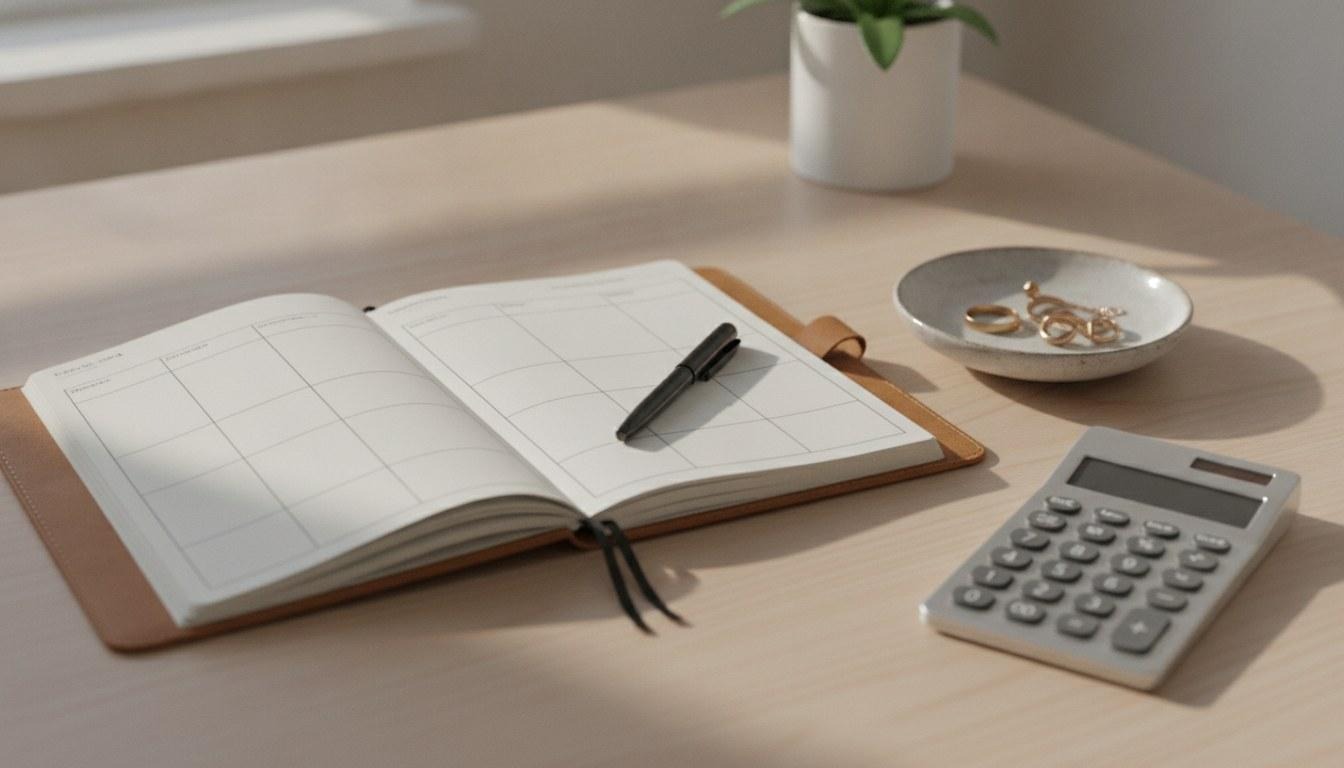
When you are working hard to pay off debt, every extra dollar counts. One overlooked source of cash is already sitting in many homes: gold jewelry that nobody wears anymore. Broken chains, single earrings, outdated rings and forgotten coins can add up to a meaningful amount. Here is how to turn them into money you can put toward your balances, without leaving value on the table.
Step 1: Take an honest inventory
Gather every piece of gold you own in one place and sort it into three piles: items you wear, items with real sentimental value and items you would not miss. Only the last pile is a candidate for selling. Paying off debt matters, but selling a family heirloom you will regret later is rarely worth it.
Look for karat stamps on clasps and inside rings. Marks such as 10K, 14K, 18K, or the numbers 417, 585 and 750 indicate solid gold. Letters like GP, GF or HGE mean gold plated or gold filled, which contain very little gold.
Step 2: Understand what your gold is worth
Gold buyers pay for the pure gold content of your items, not for their design. That depends on purity and weight. A 14K piece is about 58.3% gold and an 18K piece is 75% gold. A small kitchen scale gives you a rough weight in grams, which is enough to estimate the pure gold you own.
Next, check the live gold price on the day you plan to sell. Gold is quoted per troy ounce, which equals about 31.1 grams. Divide the ounce price by 31.1 to get a price per gram, then multiply by your pure gold weight. This gives you the market value of your metal, a useful reference point when you compare offers.
Step 3: Choose a transparent buyer
No buyer will pay the full market value, because testing and refining have a cost. The goal is to find one that is open about how far its offer is from the market. A trustworthy buyer will appraise your items for free, weigh them in front of you, explain which price the offer is based on and let you leave with your items if you decline.
When you sell gold through a dedicated dealer, you can usually bring jewelry, coins, watches and even scrap or broken pieces in one visit. Many dealers sum up their service in three words, “we buy gold”, and the good ones mean it literally: GoldUnion in California, for example, takes broken chains, scrap and dental gold, offers appraisals at home or a free shipping kit, and pays by bank transfer or by check. Getting at least two quotes is a simple way to make sure the offer is fair. If the two offers are far apart, ask each buyer to explain how they reached their figure: the answer usually reveals a difference in the weight, the karat or the market price they used.
Step 4: Send every dollar to your debt plan
The money from selling gold is a one-time windfall, so decide in advance exactly where it will go. If you follow the debt avalanche method, put it toward the balance with the highest interest rate. If you prefer the debt snowball, use it to wipe out your smallest balance completely and enjoy the motivation of closing an account.
Whatever method you use, move the money as soon as the payment arrives. Cash that sits in a checking account has a way of disappearing into everyday spending.
Mistakes that cost people money
A few habits can quietly reduce the amount you receive. Avoid these and you will keep more of your gold’s value for your debt plan:
- Selling everything in one bag without sorting by karat, which makes it harder to check the price of each group.
- Accepting the first offer without knowing the market price of gold that day.
- Mailing items to an unknown buyer without insurance, tracking or a clear written estimate.
- Selling a piece with a valuable stone at gold value only, when a jeweler might pay more for the stone separately.
- Spending the money before it reaches your debt, because it was never assigned to a specific balance.
A few things to keep in mind
- Bring identification: buyers are required to record who they purchase precious metals from.
- Keep your receipt for your own records.
- In the United States, a gain on the sale of gold can be taxable. If you sell a large amount, check with a tax professional.
- Be wary of any buyer who refuses to show the weight or pressures you to decide on the spot.
The bottom line
Selling gold you no longer use will not solve every money problem, but it can give your debt plan a real boost. Sort carefully, know the value of what you own, choose a transparent buyer and send the proceeds straight to your balances. That forgotten jewelry box could help you reach debt freedom a little sooner.