
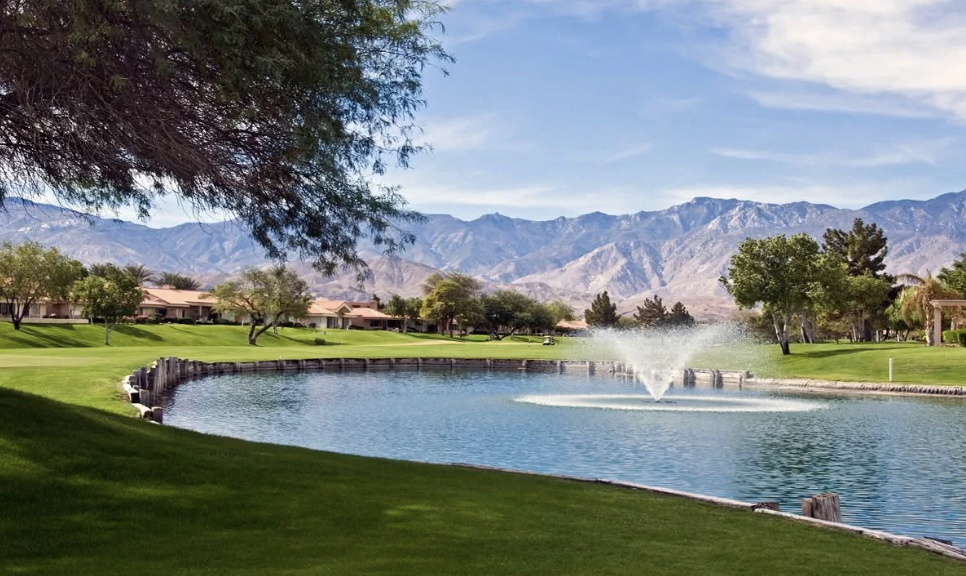
Photo from Everbluepond

Residents want a safer playground, a healthier pond and tidier common areas. Every HOA board hears this eventually. The reserve account, though, was built to cover predictable replacement and upkeep.
It wasn’t meant to pay for every good idea that comes along. Spend it all on one visible project and the community is exposed when something ordinary fails next year.
Here’s a calm, practical way to fund improvements. We’ll follow one running example: an HOA that looks after a one-acre pond and a shared commercial playground. Most community grounds can use the same steps.
Step 1: Start by Ranking Capital Works
Before anyone starts talking about money, write down what the community wants and needs. All of it. Next, sort it by consequence.
Anything that affects safety, legal exposure or the structural soundness of shared assets goes first. After that come the things that protect what you already own. Anything purely cosmetic, or just nice to have, goes at the bottom.
Back to our example. The playground could have worn surfacing, a damaged part, or equipment that’s nearing the end of its life. The pond might show erosion on the bank, heavy weeds, or an inlet that clogs.
Boards often want to start with whatever residents mention most. Better to ask what happens if the work waits another year. An injury risk, or a repair that will cost more later, moves an item up. If all that happens is it looks a little dated, it can wait.
Residents should have a say in the ranking, and they should get the criteria too. People accept a deferred project much more readily when they can see why it’s ranked where it is.
Step 2: Get Complete Quotations, Not Just Headline Numbers
One total at the bottom of a quote tells you very little. Bids can sit far apart for a simple reason: one contractor included work the other left out, and didn’t say so.
That’s why every contractor should itemize what’s covered. And they should all be quoting the same scope, or you’re comparing apples with oranges.
Take playground quotes. Check what the quote covers. Removal and disposal of the old equipment, site prep, surfacing, installation, and any inspection or documentation the community expects should all be spelled out.
Don’t assume. Ask the vendor what’s included. Get any safety standards or certifications in writing. The board or its manager can then confirm them.
A one-acre pond is a serious water body. Keep the talks at the level of professional land management. Have a qualified aquatic or land-management professional assess the water and describe the options.
They should also separate one-time work from recurring service. Sizing guidance such as Everblue Pond guidance on what size aerator for 1 acre pond to budget for can help the board ask better questions.
The equipment still has to be specified by the professional for your actual site, though. And a proposal that treats a symptom without explaining the cause? Ask more questions.
Here’s what to check when comparing bids:
- what is included in the scope
- what is excluded or billed separately
- the expected timeline
- any warranty or guarantee offered
- who handles cleanup and permits.
The lowest bid isn’t always the lowest cost. Picture a bid that omits site preparation or disposal. Add those back and it might cost more than the others.
A bid like that also makes your budget hard to trust. Compare complete scopes and the board gets a number it can plan around. The reserve is protected too, because the overruns you could have avoided never happen.
Step 3: Phase Spending Across Budget Cycles
Nothing says a big project has to be done at once. Stage it and the reserve stays healthy. Assessments then rise gradually, so the community adjusts instead of taking a single shock.
Say the HOA fixes the most urgent playground repair now. The larger replacement can wait for a later cycle. Price boundary materials for shared play areas separately, such as WillyGoat playground border options for community projects, so their installation shows up in the total.
For the pond, a professional assessment and any immediate bank stabilization could come before the longer-term improvements. Every phase should hold up by itself. Nobody wants a half-finished project that creates a new problem.
Phasing does have a trade-off. Spreading work out eases the financial strain, yet mobilization might be paid for more than once.
Conditions also change between stages, and earlier quotes may stop holding. Does splitting the job change a contractor’s pricing or schedule? Ask.
And get them to confirm how long a quote stays valid. A project that’s tightly interconnected is better done together. Phase something else in that case.
Step 4: Protect the Maintenance Reserve First
Most boards make the same mistake. They treat routine upkeep as the place to find savings. Cut the mowing schedule, pond monitoring or playground inspections and you may well free up cash this year.
It tends to cost more down the road, when the repair bills get bigger. Maintenance is what makes capital assets last.
Before you approve anything, set a floor for the reserve. A reserve study helps here, if you have one. Bring in your accountant or property manager too.
The aim is to settle on a balance the community keeps available for expected replacements and surprises. Fund projects from what’s above that floor, from planned contributions over time, or from both.
Here’s a habit worth picking up. Once a major project is done, add a line to the budget for its ongoing care. If you don’t, the new asset can quietly become an unfunded obligation.
| Pro Tip: Say a project can’t be funded within those limits. You can reduce the scope. You can extend the timeline. Or you can talk with owners about how to pay for it openly. A special assessment or financing may come up. Run those past qualified professionals and check your governing documents first, since rules vary by community and state. |
Step 5: Communicate the Plan Clearly
Residents tend to back spending once they understand it. So share the ranked list, the quotes you gathered, the phasing schedule and the reserve floor. Tell them what’s being done now.
Tell them what’s being put off, and why. Plain language and regular updates cut down on rumors. They also make future decisions easier.
Fund the Plan, Not the Pressure
A healthy community grounds budget is the result of steady choices. Rank by consequence. Insist on complete quotes. Phase where it makes sense, and keep the maintenance reserve intact.
In our example, the pond and playground can both improve without leaving the HOA exposed. Start with the ranked list and the reserve floor. Let those two steer every decision after.