
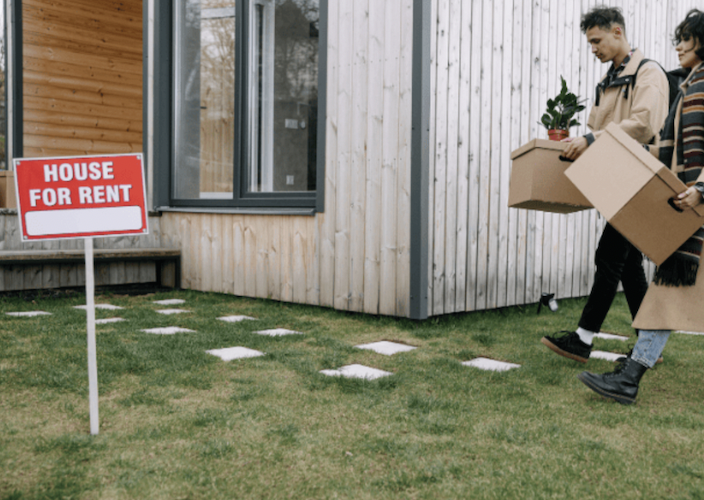
Housing is one of the biggest monthly expenses for most people, and it wouldn’t be a surprise if it’s one for you, too. Rent or mortgage payments tend to be the priority, and it takes up a large chunk of the income before there’s much left for other things. With time, essential expenses like saving, investing, or paying existing debt start to take the back seat. That pressure adds up, making it feel harder to get ahead, no matter how carefully you are with your budget.
This burden is what most people look to house hacking to solve. House hacking is a real estate term that involves turning your home into a business to generate income. It’s simply about using your living space more intentionally. This could mean sharing your home, renting a spare bedroom, or choosing another shared living situation to lower your housing costs.
Here’s what House Hacking is and how to add it to your plans before paying that next rent.
What Does House Hacking Really Mean?
House hacking can be done in several ways, but all of them revolve around the same idea: reducing what you personally pay for housing. For some people, it’s renting out an extra room in a home they already own, while for others, it’s choosing to live with roommates instead of shouldering the cost of a place alone.
The major difference between house hacking and traditional real estate investing is accessibility. You don’t need extra capital or lots of properties. You’re simply working with what you already have, and choosing a more affordable way to live while focusing on your financial goals.
Why Housing Costs Matter So Much
A lot of financial advice focuses on reducing your small expenses, and while that can help, housing is what makes the most difference. Cutting back on everyday spending is fine, but it rarely compares to the impact of reducing rent or mortgage payments.
When housing costs take up a large portion of your income, it’s natural for everything else to become harder. For most people, debt takes longer to pay off, and savings grow much more slowly. Unexpected expenses also feel overwhelming because there is barely any extra funds left after your monthly budgeting.
By lowering rent, many people find they suddenly have options again. Shared living can be one of the most practical ways to make that happen without moving cities, changing jobs, or drastically downsizing.
How Sharing Your Home Changes Things
Once you reduce your housing costs or start getting additional income from a spare room, the difference is clear. Extra cash flow can be redirected toward paying off high-interest debt or building an emergency fund. It could also help you cover everyday expenses with less stress attached.
More importantly, it changes how you feel about money. Instead of constantly living in fear of bills, you gain a better grasp of your situation. At the same time, you’re no longer just getting by; you’re building momentum.
Making Shared Living Feel Manageable
One of the biggest concerns people have about house hacking is the idea of sharing their space with someone they don’t know well. Privacy, boundaries, and compatibility matter, and there is no doubt that ignoring those realities can make the experience frustrating.
That’s why finding the right fit is so important. Platforms like SpareRoom make it easier to connect with people who are actively seeking shared housing and understand what that arrangement entails. Instead of relying on word of mouth or last-minute decisions, you can look for individuals who align with your pricing and lifestyle.
If you’re on the renter side, you can browse listings to find a room that fits both your financial goals and your day-to-day life.
The Emotional Side of House Hacking
Choosing to share your home comes with some emotional baggage. Many people worry that it means giving up independence or comfort. Others feel like it’s a step backwards, especially if they’ve lived alone before.
This, however, doesn’t necessarily have to be your reality. Lower housing costs often lead to less anxiety, better sleep, and a stronger sense of control over the future. Instead of feeling trapped by bills, people develop more control over their finances and tend to plan better.
Shared living can also bring unexpected benefits, such as companionship or a greater sense of structure. While it’s not for everyone, it’s often more supportive than people expect, especially when everyone involved is on the same page.
Who House Hacking Tends to Work Best For
House hacking can be especially helpful for people who are focused on paying off debt, or navigating a transitional phase of life. Early-career professionals, homeowners with unused space, and roommates feeling squeezed by rising costs often find shared living to be a practical solution.
It’s also worth noting that house hacking doesn’t have to be permanent. Many people treat it as a short-term rather than a long-term plan. A year of shared living can make a noticeable dent in debt or create a financial cushion that lasts far beyond the arrangement itself.
Keeping Shared Living Sustainable
The key to a positive house hacking experience is communication. Clear expectations around finances and daily routines help prevent misunderstandings later on. Taking the time to talk through boundaries upfront can save a lot of stress down the line.
Letting Your Home Work for You
So much financial stress comes from feeling stuck with limited options. House hacking offers an alternative. By sharing your home or choosing a shared living situation, you can easily live within your means and manage other bills more easily.