
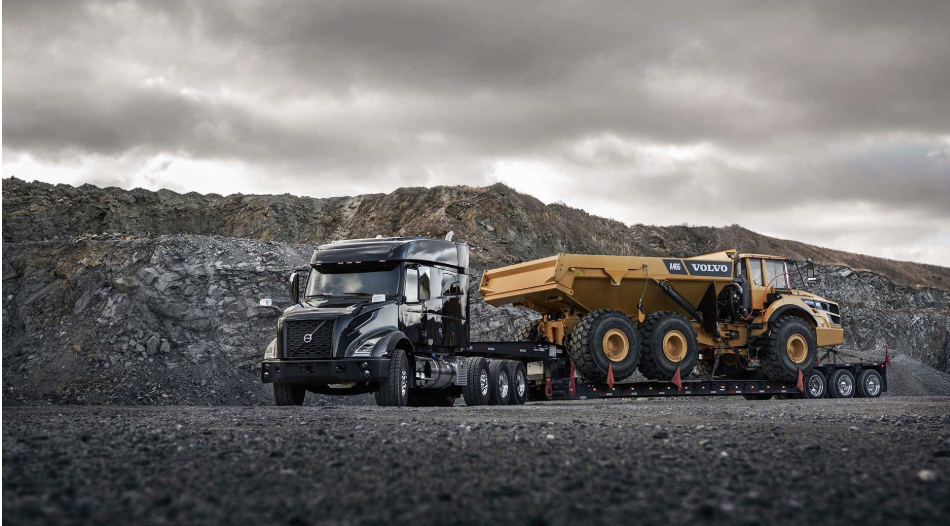
Photo from: Titan Worldwide Logistics

Scroll through a used equipment listing and the asking price can look like a steal. The photos are decent, the seller says it runs fine, and the number sits right there in bold.
Trouble is, that number is only the opening line of the bill. Plenty of contractors find this out the hard way, when the extra costs trickle in over the next few months.
So before you sign anything, here’s what to budget for: the purchase price, getting the machine to your yard, a proper inspection, regular maintenance, and a cash cushion for the repairs nobody saw coming.
1. Start With the Purchase Price, but Do Not Stop There
The purchase price is the easiest number to compare, and that’s exactly why it hogs so much of the attention.
Two machines of the same type can sit at very different prices, and usually for good reasons:
- hours of use,
- how the machine was worked,
- how well it was looked after, and
- what condition the wear parts are in.
A lower price often means work you’ll be doing yourself later.
Here’s the catch with the sticker price: it only covers getting your hands on the machine, not getting it ready to earn. If you’ve got a job site waiting next month, that second figure is the one you actually care about.
So write down everything you expect to pay on top of the price. Add it all up and you’ll see what the machine truly costs on day one of work.
Then there are the extras. Taxes, title or registration fees, and any dealer or auction charges all come into it, and they shift from state to state and seller to seller. Ask for them in writing before you decide.
2. Transport Is Part of the Price
Machines are heavy, and moving one takes planning. When the machine is across the state, or over in another region, hauling can add a meaningful amount to the total.
Depending on the weight, you may need a trailer rated for it, a truck that can pull it, a hired hauler, or some mix of these.
Get quotes for your actual route. Rates move with distance, machine size, fuel, the season and demand. Take a machine headed somewhere within Texas.
A job-site delivery to a remote site might be arranged through heavy haul trucking Texas services from Titan Worldwide Logistics.
A quote isn’t much use until you know what’s in it, so ask whether it covers loading, unloading, permits for oversize loads and insurance while the machine’s in transit.
Then there’s the matter of damage and delays. If the machine arrives damaged or the delivery date slips, what happens? Settle that before the truck leaves, so a small problem doesn’t grow into an argument.
Hauling can also flip the comparison. Count transport, and a cheaper machine far away may cost more than a pricier one close by. Work out both totals side by side before you pick.
3. Pay for an Inspection Before You Pay for the Machine
Yes, an inspection costs money, and that’s the reason plenty of buyers skip it. Still, it’s the cheapest way you’ll ever find out what you’re buying. A handful of photos and a quick test run won’t tell you much about a machine that’s put in years of hard work.
Can’t get out to look at it yourself? Then send a qualified mechanic or an independent inspector instead. They’ll want to go over the major systems, hunt for leaks, and check the undercarriage or tires for wear.
Cutting edges and attachments need a look too, and so do the controls. Ask the seller for the maintenance records, and ask how the machine was used.
Don’t expect an inspection to turn up a perfect machine. Used equipment rarely is one. The real value is a list of problems, each with a cost attached.
If the report shows worn parts that’ll need work soon, you can negotiate the price down. Or you can budget for the repairs and go in with your eyes open.
A seller who won’t allow an inspection is telling you something.
4. Count the Maintenance You Will Be Taking On
Every machine needs routine service. A used one often needs some catching up on top of that. Think fluids, filters, belts, hoses, greasing and wear items. The seller’s records might show how much of it has already been done.
This is the one spot where it pays to think a bit harder. Before you buy, ask what the inspection and the records say is coming due soon. Give that its own line in the budget instead of burying it in general repairs.
Why bother? Because of the trade-off. Picture a cheap machine with a long list of near-term service needs next to a pricier one that’s been kept current. In year one, the cheap one can cost more.
Split the two numbers out and the comparison gets fairer. The low sticker loses its pull. Suppose the work involves a common wear or repair item.
Then mini excavator parts from HW Part Store for planned repairs can give the budget a known part to point to, rather than a guess.
Wear parts and attachments count too. Buckets, teeth, edges and similar items wear down with use. A used machine may arrive with them already tired.
Check what’s on the machine and what shape it’s in, and replace things when the timing makes sense. You can price parts and attachments ahead of time, so do that before you buy, not afterward.
Then there’s the question of where the service happens. Doing the work yourself takes space, tools and time. Sending it to a shop means labor costs, plus days of the machine sitting there waiting.
5. Keep a Contingency Reserve
You can inspect a used machine carefully and plan the maintenance down to the last filter, and it’ll still find a way to surprise you.
A hydraulic hose splits. A sensor dies. The part you need turns out to be a pain to track down. A reserve is money you set aside for exactly this, so a surprise doesn’t turn into a crisis for your cash flow.
What’s the right size? It depends. The machine’s age matters, and so does whatever the inspection found. So does how much your work leans on the machine, and how much risk you’re comfortable carrying.
Got a rental that could fill in? You need less cushion. Is the machine holding up your entire schedule? You need more.
Keep the reserve apart from your operating money so it doesn’t quietly get spent elsewhere. And if you never touch it in the first year, you’ve simply got a head start on the next repair or replacement.
Put the Numbers Side by Side
With each piece gathered, it’s time to add it all up. Every machine on your list gets its own total. A simple comparison covers the purchase price, fees, transport, inspection, near-term maintenance, wear parts and attachments, and the reserve. Lay the totals next to each other and you may find the best machine isn’t the one you started with.
Time costs money too. If a machine needs a week of work before it can go on a job, what does that week run you? Lost billing, or rental fees.
Nobody can promise savings from avoided downtime. Still, you can be honest about where downtime might show up, and plan around it.
| Pro Tip: A cheaper machine far away can end up costing more than a pricier one nearby once hauling is counted. Run both numbers side by side before you pick. |
Buy the Whole Machine, Not Just the Price Tag
The best used equipment decisions come from looking at the full picture before the money changes hands. Compare machines by their total cost to get working, ask for quotes instead of assumptions, inspect before you commit, and keep a reserve that lets you handle the unexpected calmly.
A slightly higher price on a well-kept machine can be the better deal, and a bargain can be the costly one. Build the budget first, and the right machine is much easier to spot.