
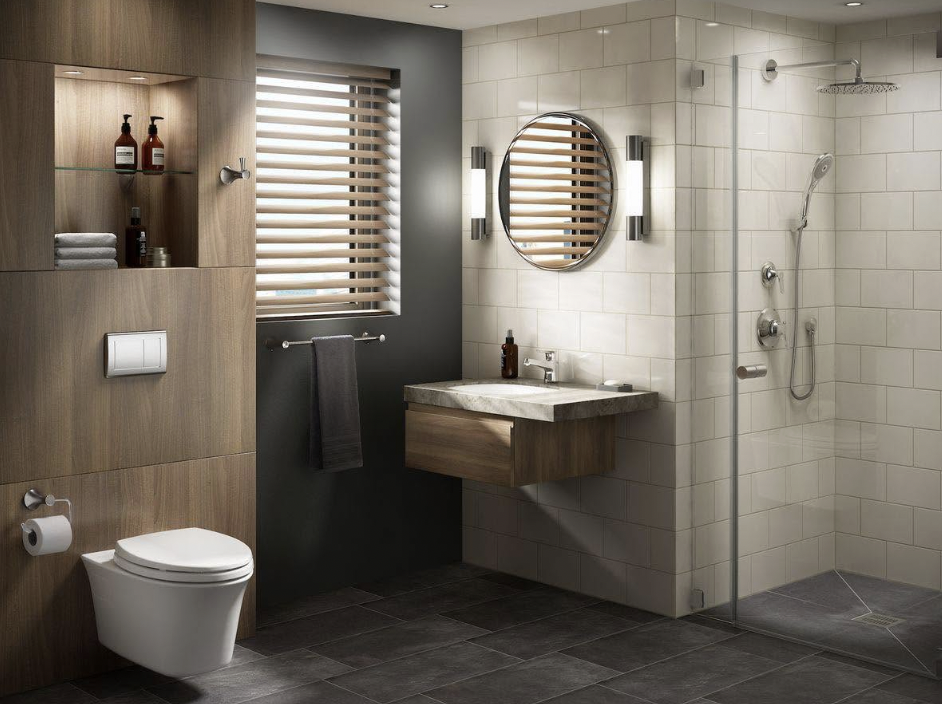
Photo from Premier Bidets

A price tag on a shelf or a web page feels like a clear answer. In practice it rarely is. When you upgrade a bathroom, that first number is only a slice of what you’ll spend. Delivery, labor, small parts and repairs all land on the final bill, along with a few surprises.
The good news? A bit of planning goes a long way. Three simple habits can give you a budget you can lean on. Sort needs from wants.
Compare the complete installed cost. And keep a contingency fund. Each one is simple. Together they make the project calmer. They also make it far more predictable, start to finish.
1. Separate Necessary Replacement From Optional Improvements
Start by walking through the bathroom. Jot down every change you’re considering. Then divide the list into two columns. One column holds what must be replaced: a leaking toilet, a cracked sink, a dead fan, a damaged floor.
The second holds things that would be nice, such as a different faucet finish, extra storage, a new light fixture or any added feature.
Sorting like this shows where your money has to go first. Necessary items protect the room and keep it usable. Optional ones improve comfort or style.
They can wait if the numbers get tight. Many people skip this step. Then a real problem sits behind the wall, unnoticed, until it becomes expensive.
There’s a trade-off worth thinking about. Sometimes an optional improvement is cheaper to do alongside a necessary one. The walls may already be open, or the installer may already be on site. Doing it later could mean paying for a second visit. Some of the work might have to be repeated.
Go through the optional column with one question in mind. Which would be a headache to add once the main job is finished? Those can earn a higher place on the list than their appeal suggests. Purely cosmetic changes can safely stay at the bottom.
Keep the list where you’ll see it. As you gather prices, move items between columns. That way you know what you’re trading off at every step.
2. Compare the Complete Installed Cost
A retailer can tell you the product’s cost and what delivery involves. The rest depends on your bathroom. Your home’s existing setup may demand changes a product page doesn’t show. Those changes are often where quotes really differ.
When you compare quotes, ask each one to spell out these installed-cost items:
- Fixture or product price
- Delivery and handling
- Labor from a qualified installer
- Plumbing and electrical adjustments
- Removal and disposal of old parts
- Repairs to walls or flooring.
Put the quotes side by side. A simple table jotted into a notebook page will do. List the same line items for every option as gaps will jump out. Say one quote leaves out disposal and another includes it. Those offers aren’t equal yet.
Keep asking until every quote covers the same scope.
Plumbing and electrical needs deserve extra care. A qualified plumber or electrician should look at your bathroom’s current setup before you buy. Ask what a new item would require.
Outlets, water connections and wiring differ from home to home. Guessing wrong can leave you with a product that doesn’t fit, or a bill nobody expected.
Weighing a combined unit? As a retailer’s catalog, Premier Bidets toilet bidet combo options for a planned bathroom upgrade are there to browse. After that, confirm the specifics with your installer. Stay with the product maker’s guidance and your installer’s advice. Don’t improvise.
Check some details yourself too. Measure the space, note where the connections are, and bring that information along. That way the answers you get fit your home, not homes in general.
| Pro Tip: Add everything up and two products with different prices can cost almost the same. The reverse can happen too. So sticker price is a poor way to compare. What you want is the full installed cost, meaning everything it takes to get the item working in your home. |
3. Keep a Contingency for What You Cannot See
Planning carefully won’t stop every surprise from showing up. Once the old fixtures are out, you might see worn pipes, soft flooring or hidden damage.
None of that appears in the original estimate. It doesn’t mean you planned badly. It’s simply part of working in an existing home. Hidden parts are often the ones that need work.
A contingency is money you set aside for moments just like these. Rather than stretch the main budget to its limit, keep a portion in reserve. Touch it only if something unplanned happens.
Many people pick a modest percentage of the total. How old your home is and how big the job is will shape what feels comfortable.
A separate cushion pays off quietly. It stops small extras from creeping in. The reserve isn’t going toward upgrades you merely like. No surprises by the end? The money is yours to keep. And it can go toward the optional items you set aside earlier.
Set the contingency aside before any purchase. Keep it out of your spending budget. Treat it as off limits for upgrades.
That way it’s still there if a hidden repair appears partway through the job. Once the old work is open, review the reserve with your installer as that tells you early whether it will be needed.
Give your schedule some slack as well. A repair delay or a back-ordered part is easier to handle. Slack is easiest without a fixed finish date. Some patience protects both budget and nerves.
Plan the Whole Project Before You Choose the Product
Start from the price you see, and treat it as just that, a start. A bathroom upgrade usually goes better that way. Decide what truly needs replacing. After that, compare quotes covering the same work.
Confirm plumbing and electrical needs with qualified installers, and hold back a reserve for the unexpected. With those in place, choosing products gets easier. The final cost is far less likely to catch you off guard.