
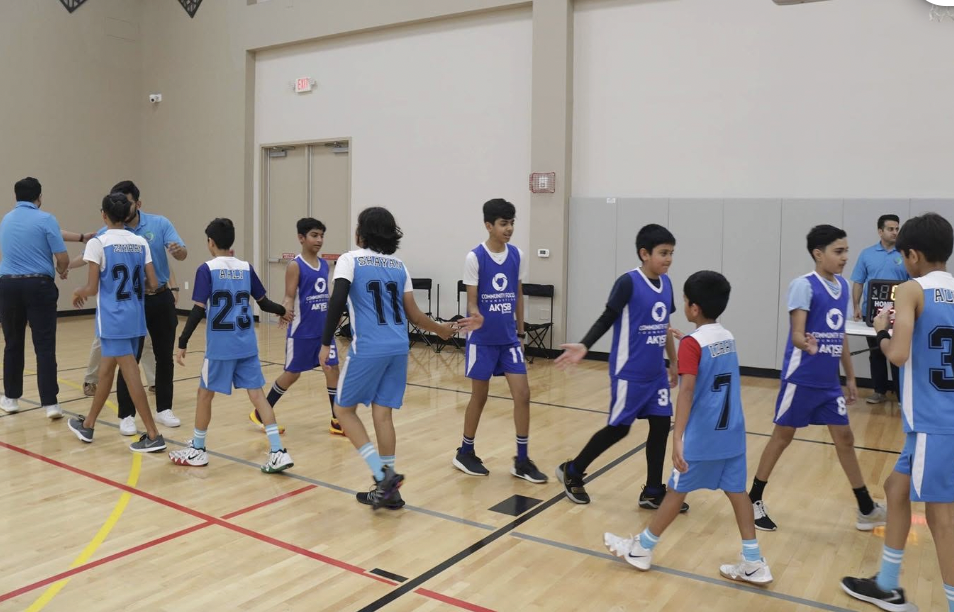
Photo from Sports Gear Swag

Of all the parts of growing up, youth sports might be the best. Kids learn teamwork. They build confidence. They burn off energy. And they make friends who know every inside joke from a long season.
Then come the costs. For many families, they climb faster than a late-game scoring run. Fees, gas, gear, snacks. All of it lands on the calendar, often in the same week.
Take heart. Giving up the sport your child loves usually isn’t necessary. A plan is. What helps is plotting out the whole season first. That way the choices come out calm, not rushed. Your child gets to focus on playing.
Step 1: Start With a Season Budget, Not Just a Fee
Most parents notice the registration fee first. That’s one slice. Put the rest on paper in a season budget and surprises shrink.
Write down what you expect to spend. Start at the first practice. End at the final game. Yes, even the stuff that’s easy to forget.
Compare these season costs:
- registration
- travel to games and practices
- equipment
- clothing
- team extras like pictures or end-of-season events
- a small contingency fund.
Got your categories on paper? Good. Next, settle on what the season can reasonably hold. One way: set a total. Split it across the months. Each payment feels lighter.
Another way: pick a single sport per season. The budget gets room to breathe. There’s no wrong answer. Pick on purpose. The activity stays a joy, not a source of stress.
Step 2: Look Closely at Registration
Does the program offer payment plans or financial assistance? Check. Plenty of community leagues, schools and recreation departments will talk about it. It’s a quiet, private conversation. Nobody expects more detail than you want to share.
Then there’s the level of play. Local recreational leagues tend to ask for less money. They ask for less time too, compared with travel or elite teams. Lots of kids, younger ones especially, want what the local league offers.
Friends. Practice. Snacks. A chance to try hard. Maybe your child wants more competition later. Fine. Then you reopen the question, knowing what the commitment involves.
| Pro Tip: Registration is often the largest single payment. That makes it worth some homework. Find out what the fee covers. Some programs bundle in a uniform. Some bundle in insurance or end-of-season awards. Others charge for those separately. Know which is which. Now two options can be compared fairly, with no headline price calling the shots. |
Step 3: Keep Travel Costs Under Control
Over a season, travel can quietly become the biggest line item. Games far from home make it worse. Gas. Tolls. Meals on the road.
The occasional overnight stay. It all counts. So look at the schedule early. Guess your trip count, then put it in the budget. No drive should come as a surprise.
Carpooling is the classic fix. It works because the load gets spread across families. Run a simple rotation. Each family drives on certain days. You drive less. The kids get more time together.
Carpooling depends on trust and clear communication, so don’t skip that part. Settle pickup times and who’s responsible for what, up front. How will a last-minute change be handled?
Decide that too. A single short group message at the start of the season can cover most of it. Nobody ends up feeling awkward later.
Packing food and water from home is another gentle saver. The concession stand is fun, no argument there. An occasional treat is part of the experience. Still, bring a cooler. A hungry child then doesn’t automatically mean a larger bill.
Step 4: Share Equipment Instead of Buying Everything New
Many families feel the pressure most with gear. Kids shoot up. Interests drift. A new glove or pair of shin guards could be outgrown, or dropped for another sport, inside a season or two. Sharing and borrowing can take the edge off that cost. Your child won’t notice a thing.
Ask the coach or league first. Is there a loaner pool or a gear swap? Quite a few teams quietly keep spare equipment for exactly this.
Neighbors, friends and other team families may have items collecting dust in a closet. They’d be glad to see them used again. When your child moves on to the next size, return the favor.
If you do buy, rank the items by how much they matter. Gear that protects, the kind that must fit well and work properly, deserves careful attention. Before you spend anything, check with the coach about what’s required.
Items that are only nice to have can wait. Here’s a good habit. Start small: only what your child needs for the first few weeks. See how interested they stay. Then add more.
Step 5: Be Thoughtful About Clothing Purchases
Next to registration and travel, clothing is the smaller expense. It’s also the sneaky one. A practice shirt here. A warm layer there. Socks. Rain gear. The team-colored outfit. Each looks reasonable alone. Together? They stretch the budget more than you’d expect.
Closet first. That plain athletic shirt, those shorts, the old sweatshirt from the closet can usually cover practice. A team uniform typically matters only on game day.
Is the team planning a uniform order? A retailer such as Sports Gear Swag track uniforms for a planned team order lists track uniform options you can compare against the team’s requirements. What does the team actually require? Ask. Buy for the real need and skip the assumed one.
Something new on the list? Ask how long it’ll get worn. Ask whether it can pull double duty. A basic layer that works for practice, school recess and weekend play gets far more wear than something kept for one event.
Hand-me-downs and secondhand finds help here too. They suit items kids wear for a short time before growing out of them.
When a season ends, set aside what’s still in good shape. Another family might want it. A younger sibling might. Either way, the cycle of use keeps going and the next budget benefits.
Step 6: Build a Modest Contingency
Even a carefully planned season has its surprises. A lost water bottle. A cleat that splits. A tournament added late. A fundraiser. A team dinner. No cushion? Each one becomes an emergency.
A small contingency fund? Each one is just a bump. You don’t need a large amount. The cushion just has to exist, and it has to be meant for the season. An unexpected cost then won’t make you pull from something else.
Pick an amount that fits your household. Keep it apart from everyday spending if possible. Any left when the season ends? Roll it into the next one, or spend it on a treat. Both are fine. A small win. Kids learn from this that planning can create room for fun.
It takes only a few minutes before each season. List the main costs. Choose a total that feels comfortable. Then walk your child through the plan in simple terms.
What can the family cover? And what might need to wait? Kids often handle limits well when they understand them. It’s a useful lesson about choices, too.
Plan the Season So Your Child Can Simply Play
Affordable youth sports come from a handful of steady habits. The habits: look at the whole season, ask what each fee includes, share rides and gear, buy clothing with care, and keep a small cushion for surprises.
The fun stays. In fact, these habits protect it. Feel in control of costs, and the games, the snacks and the car rides can be worry-free.
Start with one change this season. Make it the written budget. Seeing the numbers together makes every other choice easier. Your child gets to focus on what matters most. Playing with friends. Loving the game.