
This article is for informational purposes only and should not be construed as legal or financial advice.
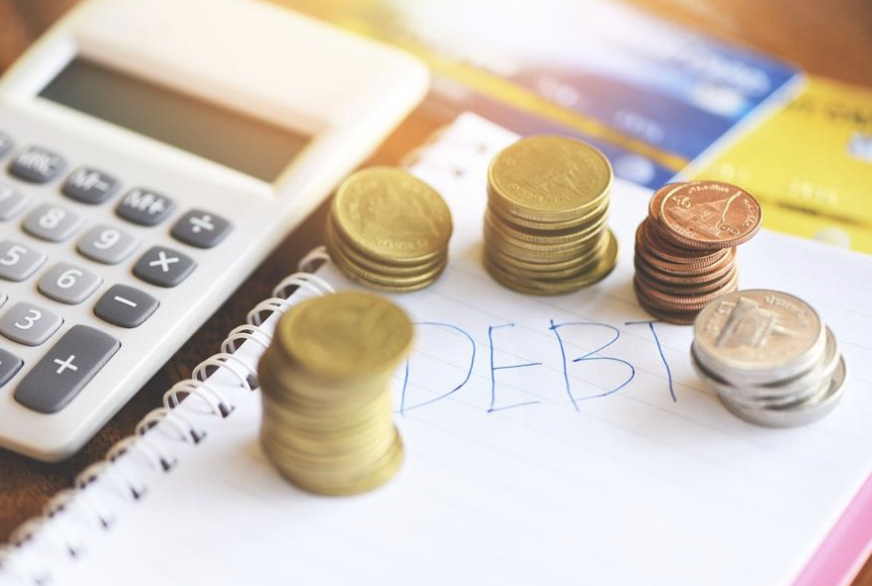
Dealing with debt is never pleasant. Yet life has a way of messing up people’s financial plans that even the most cautious or financially savvy individuals often end up struggling with some kind of debt.
If you’ve ever been or currently find yourself in this predicament, you know that the burden of carrying debt can become so heavy at times that it makes you avoid any potentially risky activity, like investing, for fear of worsening your already fragile situation. It can be extremely frustrating to hear the shackles of debt rattling every time you want to do something that carries financial risk, as it forces you to adjust to a life of restrictions and frugality.
But should you put your investment plans on hold simply because you owe money? Is this safety or stagnation? These are the kind of questions you need to answer if you want to make better decisions moving forward.
To invest or not to invest?
Some delay investing until they’ve gotten rid of all debt, and only then take into consideration the possibility of building a portfolio, when they can assess their options calmly, without constantly looking over their shoulder and worrying about every step they take. Others prefer to take the leap, hoping that putting their money to work can help them pay off their debt faster. And so they start learning about strategies and concepts like liquidity sweep that can help them gain a better understanding of market dynamics.
Both options can prove effective and sound, but under different circumstances. Just because someone has debt doesn’t mean they have to behave a certain way, because the context and the implications differ from one person to another, and therefore so does the path to a debt-free life.
It’s important to analyze your situation and know what debt-related aspects to look at before deciding whether you should invest or not.
The interest rate on your debt
One of the most important factors to consider when weighing your options and thinking about your next move is the interest rate on your debt. If this metric is higher than the average annual return on the investment instrument you’re considering, you should postpone investing until you are debt-free. It’s pretty simple math.
For instance, let’s say the interest rate on your debt is 20% and you’re thinking about investing in stocks, which typically bring in an estimated return of 10% per year. In this case, it wouldn’t make sense to pour your money into stocks and see little growth when you could use it to cover your debt. Investing might not even be possible since most of your monthly budget will go toward debt payments anyway, leaving you with little or no funds for building wealth.
It’s true that returns on investments – whether we’re talking about the stock market, commodities, currencies, or other types of assets – can fluctuate quite a lot and may exceed estimations at times. Even with the help of technical analysis tools like the Xhmaster Formula Indicator, identifying trends and predicting market direction is still difficult, so there’s no telling how an asset might behave in the long run. So, there’s also a good chance that they won’t deliver a higher return, and when you have a lot of money to pay off, it might not be worth the trouble, as it can slow down your debt payments.
However, if the interest rate on your debt is also low, somewhere below 10%, and the expected returns are within the same range or higher, you could take investing into account.
The type of debt you have
Like many other people out there, you might be inclined to believe that all debt is bad, but in reality, debt can also be good. The good kind typically includes mortgages, student loans, small business loans, auto loans, loans you take to purchase or improve real estate, and other similar financial arrangements that function just as investments and could help you increase your earnings in the future. Bad debt, on the other hand, such as credit card debt or most personal loans, won’t improve your earning potential in any way, but will drag you down.
So, if you’re still trying to pay off your mortgage or your vehicle loan, you might as well start investing, if that’s what you wish, since this type of debt shouldn’t affect your credit score or make it harder for you to manage finances, as long as you stay on top of monthly payments.
Your outstanding debt
How much debt do you still need to pay off before you finally become debt-free? When you owe money, time seems to stretch indefinitely, making you feel like the day when you will be free of this financial burden will never come. But time continues to pass, regardless of how you perceive it, and if you are disciplined and diligent with your finances, you will get rid of your debt at one point.
While you might not enjoy looking at the numbers, you should take a hard look at your outstanding debt before deciding. If the total amount you have to pay off is big and you have to make an effort to keep up with monthly payments, it’s pretty obvious that investing is off the table for you.
How long you have until retirement
As we’ve mentioned earlier, debt, good or bad, is never a reason for joy. But it’s particularly difficult to deal with debt later in life, when you’re approaching retirement. With a fixed monthly revenue and unfavorable economic conditions such as high inflation, your disposable income might shrink, making it difficult for you to cover daily expenses, let alone take up investing. But if you’re still working and retirement is far away, you can certainly consider trading and investing, or at least start looking into related topics like the smart money concept that can help you expand your knowledge in this area.
Managing investing and debt
If you feel like your situation allows you to tackle both investing and debt, you need to approach things strategically and create a financial plan. Your number one priority should be continuing to make debt payments every month, so you don’t risk falling behind. Creating an emergency fund that will have your back in case unexpected expenses emerge is also something you should definitely consider.
If you want to expedite the debt payment process, a consolidation loan might be a good idea, as would the prospect of starting a side hustle that could boost your income and use the money you earn this way to pay your debt faster. Then it’s also important to analyze different investment vehicles, such as mutual funds, ETFs, precious metals, crypto, bonds, and so on, and learn about technical tools like order block indicators and other similar concepts to decipher market movements. You can certainly manage investing and debt concomitantly, but you’ll have to prepare and be well organized.